


Breast reduction

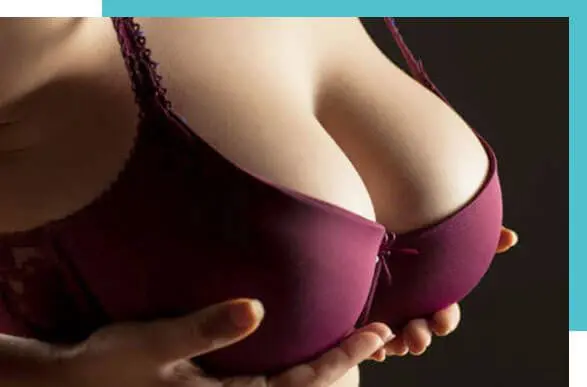
Breast reduction is a technique that aims to minimize the volume of a woman's breasts, which have become too large.
.

Breast lipofilling
Breast lipofilling is used also for breast augmentation without placing implants. The technique consists in injecting the
patient's own fat


Breast lift
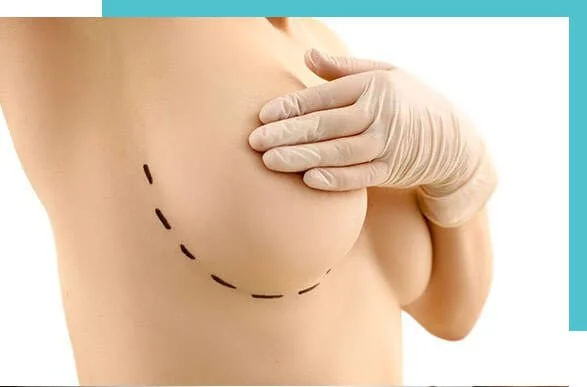
A breast lift is the perfect operation to reshape the sagging breasts, at a lower cost.
Breast augmentation
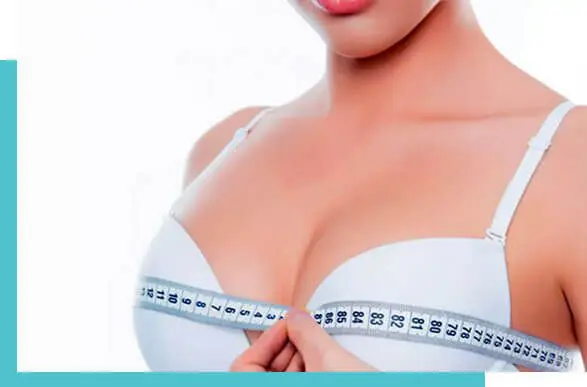
Performed for almost 30 years, breast augmentation is certainly the least expensive surgical procedure for increasing breast volume
OUR SERVICES

Aesthetic Treatment Stay in Tunisia Discover the treatments offered by our partner clinics
ESTHETIKA QUEEN
BREAST SURGERY

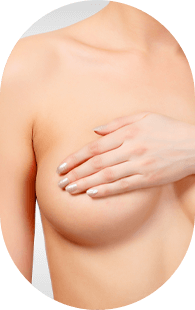
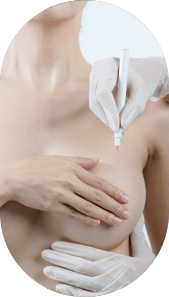


Breast augmentation in Tunisia: Low-priced breast implant surgery with Esthetika Queen
Breast augmentation in Tunisia is an asthetic and plastic surgery that aims to develop breast size.
A breast augmentation can be performed via different procedures : inserting a breast implant, lipofilling, or fat injection into the breasts
Breast augmentation in Tunisia is performed for patients who have underdeveloped breasts due to shrinking glandular tissue or who have a normal-sized bust but desire more volume. Furthermore, women with asymmetrical breasts or who have undergone a mastectomy can also benefit from breast augmentation.
Aesthetic breast surgery in Tunisia with Esthetika Queen
Aesthetic breast surgery is not only performed to treat a pathology, but also for aesthetic reasons . In fact, whatever the procedure used, its objective is to develop the aesthetic appearance of the breast and answer four different types of requests:
- Patients may consider their breasts too large.
- Small breasts.
- Sagging breasts.
- Or, problem of symmetry for one or two breasts.
There are many options for developing breast volume: lifting the breasts, optimizing their shape, or reducing the size of the areolas. Implants
are not always necessary, breast lipofilling can be also a solution.
It is important to differenciate between aesthetic breast surgery and plastic breast surgery: Aesthetic breast surgery is performed to enhance the aesthetic aspect of the breast. Plastic breast surgery encompasses all methods aimed at reconstructing the breast and restoring its original shape; it can therefore even be considered a form of aesthetic medicine.
Breast plastic surgery is performed following a mastectomy. It can also correct congenital malformations, breast deformities, or excess glandular or skin tissue in the breast area. It truly restores harmony to the breasts, suiting the patient's body shape.
Sometimes, these procedures are covered by health insurance, depending on certain conditions.

Aesthetic breast surgery in Tunisia with
Esthetika Queen
Breast surgery in Tunisia has become a popular option for people looking to improve the shape, size, or appearance of their chests. Tunisia offers high level of medical care and aesthetic solutions thanks to the internationally renowned clinics and the high-qualifed aesthetic surgeons.
Whatever the intervention is: breast augmentation in Tunisia , breast reduction in Tunisia , breast lift in Tunisia, or breast reconstruction in Tunisia, patients can expect exceptional results thanks to the expertise and advanced technology used in these procedures.
What does breast surgery in Tunisia involve?
Having small breasts, saggy breasts or drooping breast may be a real issue for many women. So the recourse to aesthetic breast surgery will be an absolute necessity.
In fact, thanks to its various techniques and surgical interventions, aesthetic breast surgery allows women dissatisfied with the shape or size of
their breasts to regain a more beautiful, more feminine and seductive breasts.
Is breast surgery in Tunisia only for women?
In the majority of cases, people who opt for aesthetic breast surgery are women, but this procedure is also performed on men.
In this case, it is a gynecomastia intervention which is performed under general anesthesia and aims to treat the hypertrophy of the mammary gland in men.
What are the different aesthetic breast surgery procedures available in Tunisia?
Whatever the issue is, sagging, loose, undersized or oversized breasts… aesthetic breast surgery is the ideal solution to treat innate or acquired imperfections of the breasts.
Breast surgery interventions are performed under general anesthesia. Furthermore, the duration of the operation and hospitalization depends on the type of intervention.
In this context, Esthetika Queen offers the following services :
- 1- Breast augmentation in Tunisia : by breast implant or breast prosthesis
- 2- Breast lift
- 3- Breast reduction surgery
- 4- Gynecomastia
Breast augmentation in Tunisia: Get fuller breasts !
Breast augmentation in Tunisia is an aesthetic breast surgery procedure whose aims to increase breast volume.
Two different procedures can be performed to obtain a bigger bust:
- Breast augmentation with implants : this involves increasing breast volume through the placement of breast prostheses.
- Breast lipofilling : this technique consists of injecting autologous fat into the breasts in order to increase their volume.
Aesthetic breast surgery in Tunisia with Esthetika Queen
Breast lift: the ideal solution to fix sagging and drooping breasts!
A breast lift, also known as mastopexy, is an aesthetic procedure that lifts sagging breasts by removing excess skin.
In fact, aging, pregnancies, breastfeeding or weight fluctuations are the main causes of sagging breasts. So a breast lift is the optimal solution to correct this problem.
Breast reduction: regain the ideal shape of your breasts !
Breast reduction surgery is the appropriate solution to treat a breast hypertrophy problem.
This operation is based on the removal of extra skin, the reduction of glandular volume and the repositioning of the areolas and nipples.
Furthermore, the procedure aims to reduce the weight and volume of overly large breasts by removing some of the glandular tissue and fat.
The weight of a normal breast will be the main determinant of this intervention, although the patient's preferences will also be taken into consideration.
Gynecomastia: Corrective Surgery, a Safe Option with Esthetika Queen
Gynecomastia refers to the enlargement of breast tissue in men. It can result from various hormonal or medical factors. Gynecomastia correction surgery,
offered by experienced professionals like those at Esthetika Queen, provides an effective solution.
Contact us
Aesthetic breast surgery in Tunisia with Esthetika Queen
Breast augmentation in Tunisia: A complete examination
Introduction
Breast augmentation is an increasingly widespread surgical procedure, performed on the worldwide. The main goal is to improve the size and shape of the breasts,
offering women a way to increase their self-confidence and body contentment. This article explores various aspects of breast augmentation surgery, including
the motivations that lead women to choose this procedure, the different existing prostheses, the surgical process, as well as the possible risks and complications.
Why choose breast augmentation in Tunisia?
Women have several reasons for getting breast augmentation in Tunisia. Among the most common reasons are:
- 1. Improving physical appearance: Many women wish to increase their breast size to improve their appearance or to restore their breast volume after weight loss, pregnancy, or natural aging.
- 2. Restoring self-worth : For some, having full breasts can contribute to a better body image and enhance self-confidence.
- 3. Repair after a mastectomy: Women often choose augmentation mammaire prix tunisie as a way to rebuild their bodies after a mastectomy due to breast cancer.
- 4. Breast asymmetry: Women with uneven sized breasts may also seek this procedure to achieve symmetry.
Types of Breast Implants
There are two main types of breast implants used during breast augmentation in Tunisia :
Prostheses filled with saline solutions and those filled with silicone
- 1. Saline Implants : Made of silicone shell filled with a saline solution. They are placed empty into the breast then filled once in place. This allows for smaller incisions. However, if implantes are drilled, the body easily absorbs the saline solution without adverse effects.
- 2. Silicone Implants : These implants,filled with silicone gel, have a more natural texture and are less likely to cause a "puffy" appearance than saline implants. However, in case of a rupture, the gel can remain trapped in the capsule formed around the implant, making it more difficult to detect a leak.
Operation Procedure
Breast augmentation in Tunisia is generally performed under general anesthesia and takes between one and two hours. The surgeon starts with making an incision, often placed under the breast, around the areola, or on the side of the chest. The incision's location depends on the type of implant used and the patient's preferences.
After making a pocket for the implant, it is inserted and positioned. Before suturing the incision, the surgeon ensures that the implants are symmetrical and in the right position. Once the procedure is complete, the patient is usually monitored for a few hours before being discharged.
Risks and Potential Complications
Like any surgery, breast augmentation in Tunisia may have certain risks. Although the majority of women do not show serious complications, it is critical to be aware of the potential side effects:
- Infections : As with any surgical intervention, it is possible to get an infection from the surgical site, sometimes requiring antibiotic treatment or further intervention.
- Bleeding and Hematomas: There could be bleeding wich cause the formation of hematomas. In this case, an aspiration can be a solution.
- Scars : According to the type of incision, scars may appear. Although surgeons try to minimize their visibility, some women may develop hypertrophic or keloid scars.
- Rupture or leak : In rare cases, a rupture of the prosthesis, espacially silicone ones, can happen. A corrective intervention is then reqired.
- Breastfeeding problems : Some women seem to be having difficulties with breastfeeding after the surgery, although this depends on the surgical
technique used. - Capsular contracture : It is occure when scar tissue forms around the prosthesis.This complication makes patient feel pain. In severe cases,
further surgery may be necessary to remove or replace the prosthesis.
Post-Operative Considerations
After the surgery, sergons will provide the patient with a list of instructions that need to be followed. Here are some general recommendations:
- 1. Rest : It is necessary to take a few days of rest and avoid intense physical activities for several weeks.
- 2. Medical follow-up : Follow-up consultations are crucial to ensure that healing is progressing correctly without complications.
- 3. Pain management : Painkillers may be prescribed to manage pain after the procedure.
- 4. Wearing a bra : A compression bra may be recommended to support the breasts during the healing period.
Conclusion
With Breast augmentation in Tunisia, many women can transform their lives, offering them the opportunity to enhance their physical appearance and self-confidence. However, a detailed consultation with a qualified surgeon is essential to be well-informed about the different types of implants, the surgical procedure itself, and the potential associated risks to make a certain decision and ensuring that the procedure goes with the patient's expectations. Ultimately, the choice of having a breast augmentation in Tunisia should be personal and certain, not only about the desired results but also the long-term implications for overall health and well-being.
Aesthetic breast surgery in Tunisia with Esthetika Queen
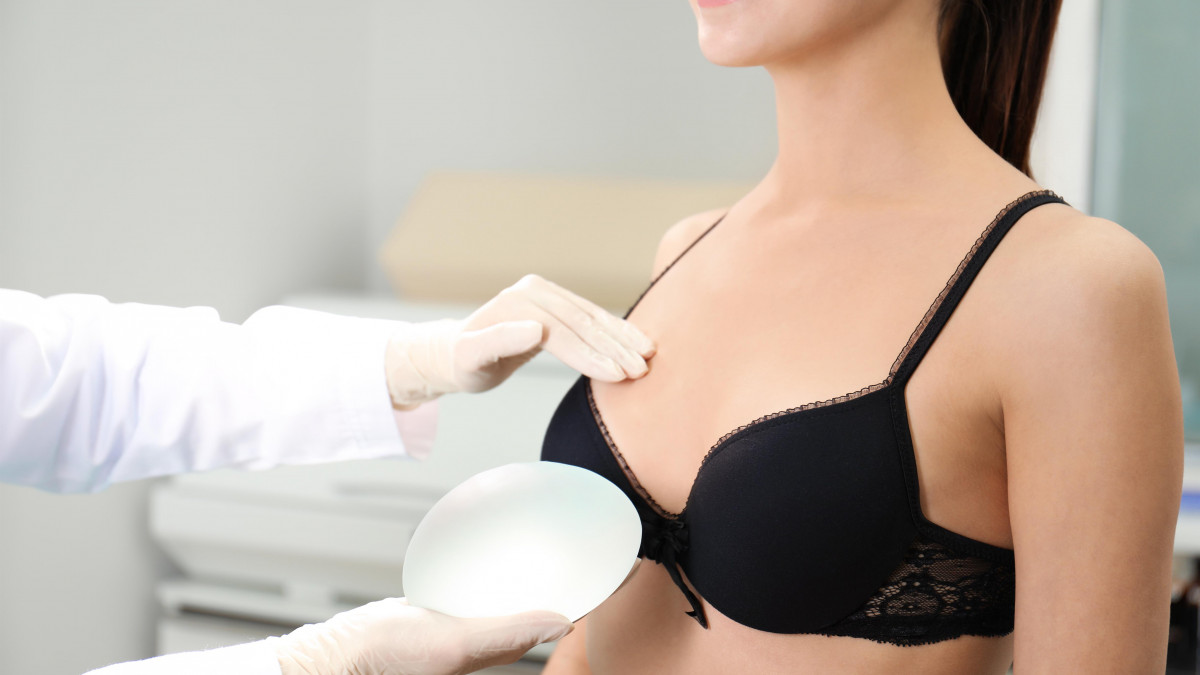
Breast hypoplasia is defined as insufficiently developed breast volume relative to the patient's morphology. It can result from insufficiant glandular development during puberty or appear later due to a loss of glandular volume (pregnancy, weight loss, hormonal imbalances, etc.). The lack of volume can also be associated with ptosis (sagging breasts with drooping glands, stretched skin, and low-set areolas). The patient suffering hypertrophy offen finds it hard to accept both physically and psychologically, perceiving it as a threat for her femininity. This can lead to a deterioration of her self-confidence and a feeling of unease, which can be intense and lead to a serious complex. That is why the intervention aims to increase the size of a chest considered too small by inserting implants.
The procedure can be performed at any age from 18 years old. Indeed, breast augmentation in Tunisia is not usually appropriate for young patients.
However, it is possible in severe cases such a hypoplasia or for reconstruction, such as in cases of tuberous breasts or breast agenesis. It's important to note that this aesthetic surgery is not covered by health insurance. Only few rare conditions of breast agenesis (complete absence of breast tissue) may sometimes be eligible for partial coverage by social security after prior authorization.
Currently, breast implants consist of an envelope, always made of silicone elastomer, and a filling material.
However, the implants differ in their contents, it is the filling material contained within the envelope.
For pre-filled implants, the filling material (gel and/or saline) has been incorporated at the factory therefore the range of available volumes is determined by the manufacturer.
Saline-filled implants are filled by the surgeon, who can adjust the implant volume during the surgery.
THE NEW GENERATION OF PRE-FILLED SILICONE GEL IMPLANTS
The vast majority of prostheses currently used in France and around the world are pre-filled with silicone gel.
Used for over 40 years, these implants have proven their safety and excellent suitability for this type of surgery because they closely resemble the texture of a natural breast.
At the end of the 1990s, pre-filled prostheses underwent significant improvements to reduce defects, improve performance, and perceive any shortcomings.
Today, compliance with standards is an obligation to ensure safety, quality, and efficiency. That's why all implants available in France are restricted by rigorous standards: CE (European Community) and authorization from the AFFSAPS (French Agency for the Safety of Health Products).
Pre-filled silicone gel implants are composed of soft silicone gel, surrounded by a watertight envelope made with an elastic silicone elastomer that can be smooth or textured (rough). The significant improvements in the new implants, which give them greater reliability, concern both the envelopes and the gel itself:
- The envelopes, whose walls are now stronger, prevent the "sweating" of the gel to the outside and have a much higher resistance to wear;
- Cohesive silicone gels, which have a less fluid consistency, reduce the risk of leakage in case of rupture. In addition, the new generation of silicone implants is also characterized by the wide variety of shapes currently available (classic round implants, anatomical implants...). According to the patient's morphology, and personal expectations, a wide range of shapes combined with a broad selection of volumes allows for personalized adaptation to each individual case.
OTHER TYPES OF IMPLANTS
The prosthese's envelopes are always made of silicone elastomer; it's the filling material that differs. Currently in France, only two alternatives to silicone gel are authorized:
-
Saline solution: It is a salt water (which makes up 70% of the human body). These implants can be pre-filled (factory-made) or inflatable(inflated by the surgeon during the surgery). They have an unnatural consistency due to their liquid content (non-gelatinous) and form more "folds" that are perceptible to the touch, or even visible, and can often suffer from sudden deflation.
-
Hydrogel: This is the most recent substance, it have received approval from the French Agency for the Safety of Health Products (AFSSAPS) in 2005. It is an aqueous gel, composed of water gelled by a cellulose derivative. This gel, with a more natural consistency than saline solution, is also absorbable by the body in case of rupture.
BEFORE THE PROCEDURE
Before the intervention, a surgical strategy will be established including anatomical analysis, the surgeon’s preferences and the wishes expressed by the patient.
The objective of this approach is to identify the position of the scars, the type and size of the implants as well as their positioning in relation to the muscle.
In accordance with the prescriptions, a preoperative blood test will be performed.
The anesthetist will consult you 48 hours before the operation. A breast radiological evaluation is indicated (mammography, ultrasound).
It is strongly recommended to stop smoking for at least one month before and a month after the operation (tobacco could delay healing). It is imperative not to consume aspirin, in any form whatsoever, within ten days before the surgical intervention. You will need to fast (no food or drink) for six hours before the operation.
TYPE OF ANESTHESIA AND HOSPITALIZATION ARRANGEMENTS
Type of anesthesia :
Usually it is a classic general anesthesia, during which you are completely asleep. In rare cases, "vigilant sedation" (local deep anesthesia with tranquillisers given intravenously) may be used (to be discussed with the surgeon and the anesthetist).
Hospitalization modalities :
Generally, the procedure requires a one-day hospitalization. Admission usually takes place in the morning (or sometimes afternoon) and the patient can leave the next day. However, in some situations, the procedure can be performed in an "ambulatory" mode, which means that the patient can be discharged on the same day after a few hours of monitoring.
The intervention :
Each surgeon adopts their own specific techniques, using it to each case to achieve optimal results. However, we can identify some fundamental and common principles :
Skin incisions:
There are several possible “surgical approach” :
- Areolar incisions, made in the lower segment of the areola's circumference, or horizontal opening goes around the nipple from below (1 and 2)
- Axillary approach, with incision under the arm, in the armpit (3);
- submammary route, with incision placed in the inframmamary fold (IMF) (4).
The future scars will be naturally the result of these incisions, which will therefore be concealed in natural creases or folds.
Placement of the prostheses:
After making the incisions, there are two possible positions to place the implants :
- Premuscular position, where the prostheses are placed directly behind the gland, in front of the pectoral muscles
- Retromuscular position, where the prostheses are placed deeper, behind the pectoral muscles.
The choice between these two locations, with their respective pros and cons, will have been discussed with your surgeon.
Additional actions:
In cases of associated breast ptosis (sagging breasts, low areolas), reducing the breast skin envelope ("mastopexy") can be a solution for this phenomenon. This skin resection will then lead to more significant scars (around the areola, ± vertical).
Drains and plaster:
Accumulation of blood and fluid around the surgical site can cause pain, infection and delay healthing that's why, and according to the surgeon's preference, a small drain may be inserted to remove any blood that might accumulate around the implants.
At the end of the procedure, a compression dressing is applied using an elastic bandage.
The operation can take from one to two and a half hours, depending on the surgeon, the surgical approach, and the possible need for additional procedures.
AFTER THE PROCEDURE: POST-OPERATIVE COURSES :
After the surgery, patients can sometimes suffer from pain and discomfort for the first few days, especially with large implants and particularly if they are placed behind the muscles. Pain medication, tailored to the intensity of the pain, will be prescribed for a few days.
Edema (swelling), ecchymosis (bruising), and discomfort when raising the arms are common initially.
The first dressing is removed after a few days and replaced with a lighter one. A support bra may then be recommended day and night for a few weeks. Most of the time, the sutures are internal and absorbable. If not, they will be removed a few days after the surgery.
A recovery period with a break from activities of five to ten days should be planned.
Resuming sporting activities should be postponed for one to two months.
THE RESULT
It takes from two to three months to appreciate the final result. This is the time needed for the breasts to regain their full elasticity and for the implants to settle.
The procedure will have improved the volume and shape of the breasts. The scars are usually very discreet. The increase in breast volume has an impact on the overall silhouette, allowing for greater freedom in clothing choices. Beyond these physical improvements, regaining a full and complete sense of femininity often has a very beneficial effect on a psychological level.
This surgery is an improvement procedure to enhance breast size and not to acheive perfection. So, if your expectations are realistic, you should be very satisfied with the result.
STABILITY OF THE RESULT
Breast volume will remain stable for a long time independently of the implants' lifespan and the significant fluctuations in weight.
However, as natural breasts, the shape and the tonicity of augmented breasts will be affected by the effects of gravity and aging, as well as varying rates depending on age, skin elasticity, and the size of the implants.
IMPERFECTIONS IN RESULTS
Occasional imperfections may occur:
- Residual volume asymmetry, improperly corrected despite implants of different sizes.
- Insufficient flexibility and mobility especially with large implants may create a firmness that is a little too great.
- An artificial appearance, particularly with very thin patients, with too much visibility of the edges of the prosthesis, especially in the upper segment
- Implants can always be felt, especially with large ones. This phenomenon happened when the thickness of the tissue (skin + fat + gland) covering the prosthesis is low.
-
The aggravation of breast ptosis may be observed, especially when large implants are used.
If dissatisfaction persists, some of these imperfections may eventually be fixed with surgical correction after a few months.
MISCELLANEOUS QUESTIONS
Pregnancy/breastfeeding
It is recommended to schedule the pregnancy at least six months after the breast augmentation procedure.
Pregnancy is possible without any risk to either the patient or the foetus. Breastfeeding is also safe and remains possible in most cases.
Autoimmune diseases
Enormous international scientific researches have been realized relatively to the relationship between the breast augmentation
procedure and autoimmune diseases. These cohort studies have unanimously provided proof that there is no greater risk of developing this type of rare disease in patients with implants (especially silicone) than in the general female population.
It should be mentioned that in the context of cancer screening after a breast implantation surgery, clinical examination and palpation can be disrupted, especially in cases of capsular contracture or siliconoma. It is necessary that the patient informs that she has breast implants before having a routine screening mammogram, because these prosthetic devices may hinder the performance and interpretation of diagnostic results. Therefore, depending on the case, other specialized radiological techniques (specific views, digital imaging, ultrasound, MRI, etc.) may be used. Furthermore, if there is any doubt about the diagnosis of breast cancer, it is important to know that the presence of implants may necessitate more invasive investigations to obtain a definitive diagnosis.
Implant lifespan
While some patients may typically keep their implants for decades without major changes, breast implants should not be considered permanent "lifetime" devices.
A patient with implants can expect to be required to do regular check-ups and replace them to maintain the desired effect. Whatever the implant's type, it has
an undetermined lifespan that cannot be precisely estimated, as it is exposed to gradual deterioration. Therefore, the lifespan of implants cannot be guaranteed.
It should be noted, however, that newer-generation implants have benefited from significant progress in terms of durability and reliability.
After ten years, the possibility of implant replacement should be considered if any change in consistency is noticed.
Surveillance
After a breast implantation surgery, the patient must stay in contact with his surgeon and show up for the prescheduled follow-up appointments in the weeks and then months that follow the procedure. Afterward, the presence of implants does not rule out routine medical monitoring (gynaecological checkups and breast cancer screening), although it does not require any further tests beyond those already included in this monitoring. However, it is crucial to inform all attending doctors that you have breast implants. It is recommended to check up on breast implants every two to three years with your aesthetic surgeon. Beyond this, it is especially important to consult your surgeon as soon as you notice any change in one or both breasts or after a significant trauma.
Possible complications
A Breast augmentation in Tunisia with implants is mainly performed for aesthetic purposes. Nevertheless, it is nonetheless a genuine surgical procedure, which implies the risks linked with any medical act, however minor. It is important to distinguish between complications related to anesthesia and those related to the surgical procedure itself.
During the pre-operative consultation, the anaesthetist will inform the patient about the risks that may come with anaesthesia.
It is crucial to understand that anesthesia, regardless of the type, induces reactions in the body that are sometimes unpredictable and relatively easy to treat.
However, by choosing a competent anesthesist-resuscitator practicing in a truly surgical context, the risks involved have become statistically very low.
It is important to note that over the past thirty years, techniques, anesthetic products, and monitoring approaches have made immense progress, offering optimal safety, especially when the intervention is performed out of emergency and on a healthy person.
About the surgical intervention
By choosing a qualified and competent aesthetic surgeon trained in this type of procedure, you minimize these risks, although you cannot eliminate them completely. In practice, the vast majority of breast augmentations performed correctly go smoothly, the postoperative period is straightforward,
and patients are fully satisfied with their results.
However, sometimes complications can arise following the procedure, some inherent to breast surgery and others specifically related to the implants.
Complications inherent to breast surgery
Epanchements, infection
- - Hematoma:
A few hours after the surgery, we can observe blood accumulation around the prosthesis. It is an early complication, however, in severe case ,reoperation will be necessary in order to evacuate the blood and stop the bleeding at its source.
- - Serous effusion:
An accumulation of lymphatic fluid around the prosthesis is a common phenomenon, often associated with significant edema. It simply results in a
transitional increase in breast volume. It disappears spontaneously and gradually.
- -Infection :
It's rare that after a breast augmentation surgery a patient gets an infection in the surgical site.
But if it does happen, antibiotics alone can't resolve the problem. So in this case, a further intervention is required to drain liquids and remove the implant for a few months (the time needed before a new prosthesis can be safely inserted).
We can identify three other specific forms of infection:
- - Late, "insidious" infection: :
This is an infection with few symptoms and not detected on examination, which can sometimes occur several years after implantation;
- - Microabscess :
It's a result of the immune reaction to bacteria at the injury site. More frequently, they develop on a stitch and resolve rapidly after taking off the improper thread and applying local care. In this context, it have been reported rare cases of Staphylococcal Toxic Shock Syndrome (TSS).
Skin necrosis
It is linked to the lack of blood flow in the tissue, which led to insufficiency of oxygenation.
Excessive tension, a hematoma, infection, or heavy smoking in the patient—all these factors promote the skin necrosis.
This is a very rare but dreaded complication because, in extreme cases, it can expose the prosthesis locally, particularly through suture dehiscence. Surgical revision is often necessary, sometimes requiring temporary removal of the implant.
Wound healing abnormalities
Combined factors contribute to wound healing. However, in rare cases, scars are not, in the long term, as discreet as expected.
They can then take on very variable appearances: widened, retracted, adherent, hyper- or hypopigmented, hypertrophic (swollen), or even exceptionally keloid.
Altered sensation
It is a common phenomenon that lasts a few months after a breast augmentation procedure, but usually it gradually declines. Rarely, however, a certain degree of dysesthesia (decreased or increased sensitivity to touch) may persist, particularly in the areola and nipple.
Galactorrhoea /milk effusions
There have been very rare reports of unexplained postoperative hormonal stimulation, resulting in milk secretion ("galactorrhea") sometimes with a collection of liquid around the prosthesis.
Pneumothorax
It is very rare and will treated with specific treatment.
Risks specifically related to implants
Formation of "folds" or appearance of "waves"
Les implants étant souples, il est possible que leur enveloppe se plisse et que ces plis soient perceptibles au toucher, voire même visibles sous la peau dans certaines positions, donnant alors un aspect de vagues.
Ce phénomène survient le plus souvent chez des patientes minces, et peut être traité par une intervention de lipomodelage qui consiste à apposer une fine couche de graisse sous la peau du sein afin de «camoufler» l’implant.
"Capsules"
The normal and constant physiological reaction of the human body to a foreign object is to wall it off from the surrounding tissues by forming a hermetic membrane around the implant, called the "periprosthetic capsule".
In normal cases, this membrane is thin, flexible, and imperceptible. However, sometimes an intense reaction may happen, causing the capsule to thicken, become fibrous, and contract, compressing the implant and thus forming a "capsular contracture".
This phenomenon leads to different results depending on the case's severity; it can be a simple firming of the breast, sometimes bothersome constriction, or even a visible deformation with globularization of the prosthesis, ultimately leading to a hard, painful, and more or less eccentric sphere.
This contracture fibrosis is sometimes the result of a hematoma or infection, but most of the time it remains unpredictable, resulting from random organic reactions.
Recent years have seen significant progress in surgical techniques, especially in the design and construction of implants, resulting in a considerable diminution in the rate and severity of capsular contracture. If the problem persists, a second intervention is then necessary to correct such a contracture by incision of the capsule ("capsulotomy").
Rupture
Implants cannot be considered as permanent aesthetic devices. The envelope can therefore lose its seal over time. It can be a simple porosity, punctiform openings, microcracks, or even real breaches . Very rarely, this can be the result of violent trauma or an accidental puncture, and much more often, it is the result of progressive wear of the shell due to age.
In all cases, this results in the possible leakage of the prosthesis filling material, with different consequences depending on the nature of this filling:
- With physiological saline or absorbable hydrogel, there is partial or total deflation, rapid or slow;
- With silicone gel (non-absorbable), the gel remains contained within the membrane that isolates the prosthesis. This can promote the formation of a capsule, but it can also be harmless and go completely unnoticed. In some cases, which have become much rarer (particularly due to the improved cohesiveness of current gels), there can, however, be progressive penetration of the gel into the surrounding tissues.
Prosthesis rupture most often necessitates surgery to replace the implants.
Malposition, displacement
Incorrect positioning, or secondary displacement of the implants, affecting the shape of the breasts, may sometimes justify surgical correction.
Rotation
Bien que relativement rare en pratique, le pivotement d’une prothèse «anatomique» reste théoriquement possible et peut affecter le résultat esthétique.
Chest wall deformity
In rare cases, prostheses with fibrous shells, left in place for a long time, can "imprint" themselves in the tissues, leaving a deformation of the chest wall that is difficult to correct when they are removed.
Periprosthetic late seroma
In very rare cases, a late effusion may occur around the prosthesis, which may require ultrasound-guided aspiration with culture and appropriate cytological analysis.
Cytological analysis has even more rarely revealed lymphoma cells, necessitating removal of the periprosthetic fibrous capsule, although a link between this reaction and the breast implant is not certain.